The iPhone 18 and Your Connectivity
The iPhone 18 launch in July 2026 has everyone buzzing. This is especially true for those who prefer a tent to a cubicle. If you are a traveler or a camper, you can breathe a sigh of relief. Yes, the iPhone 18 supports eSIM. It keeps the dream of digital, plastic-free connectivity alive for another generation.
Why Adventurers Love Digital Profiles
Modern adventurers dislike hunting for local kiosks to buy physical chips. This focus on digital profiles is a total win. You will have no trouble setting up a new eSIM profile. This keeps your maps running while you are off the grid. Whether you are a digital nomad or a weekend warrior, this device handles multiple lines without clutter.
Ready for Your Next Trip
Skip the carrier store lines entirely. You can get your free eSIM now and prepare for your next trip before you unbox your new phone. The move toward integrated technology saves time. You will spend less time fiddling with trays and more time exploring. Let’s look at exactly how this new hardware handles your data plans.
The Verdict: Does the iPhone 18 Support eSIM Technology?
Apple has officially doubled down on its digital first approach with the release of the iPhone 18 series. If you were hoping for the return of that tiny, annoying metal tray, it’s time to let that dream go. The iPhone 18 fully supports eSIM technology, continuing the trend of ditching plastic chips for sleek, downloadable profiles that won’t get lost in your backpack.
For those of us living in the US, the transition is absolute. Just like its predecessors, the US version of the new lineup remains an eSIM-only powerhouse. This means you won’t find a physical SIM slot anywhere on the chassis, forcing a cleaner design and theoretically better water resistance. It’s a bold move that pushes everyone toward a more flexible way of staying connected while traversing the globe.
The True Traveler Advantage
One of the best perks of this setup is the massive amount of digital space for your data plans. You can store eight or more profiles on your device at once. This is a lifesaver when hopping between countries. You no longer need a paperclip to swap chips on a cramped airplane. Simply tap a few buttons in your settings to switch.
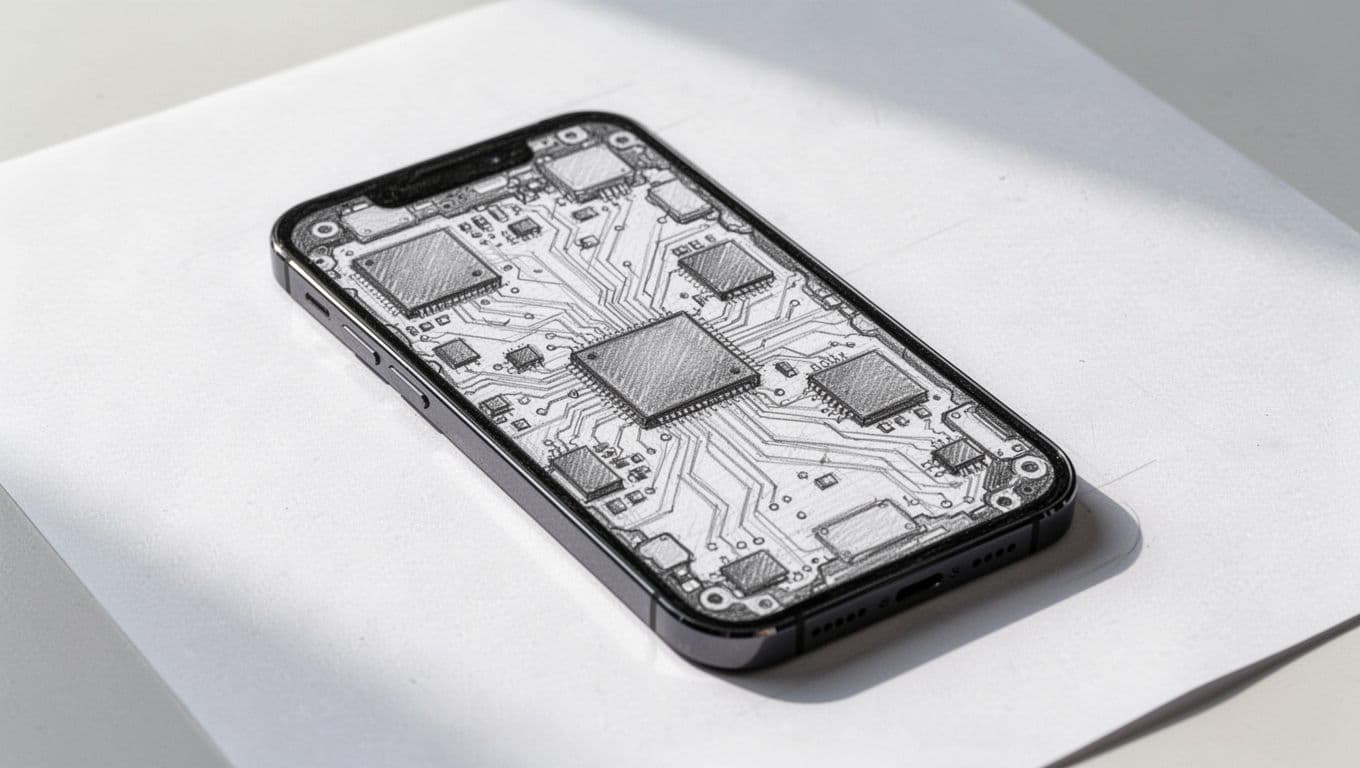
While the hardware has moved on, the software makes managing multiple lines feels like a breeze. The iPhone 18 allows you to keep two eSIMs active simultaneously, so you can have your home number for texts and a local data plan for maps running at the exact same time. It’s the ultimate setup for anyone who lives for the next stamp in their passport.
- US Models: Completely eSIM-only with no physical slot, maximizing internal space for battery and tech.
- Dual Active Connections: Run two different plans at once without needing a physical chip to act as the primary line.
- Profile Storage: Keep your favorite travel providers saved in your settings for immediate activation when you land.
- Enhanced Security: A digital profile can’t be physically stolen or swapped out if your phone is lost, adding a layer of protection for your identity.
Before you head out on your next adventure, it’s smart to check the iPhone eSIM compatibility guide to see how your specific model stacks up against previous versions. Most major providers like T-Mobile and Verizon have perfected their troubleshooting for eSIM setup, ensuring you aren’t left stranded without a signal.
Global Variations and What to Expect
Even though the US has gone completely digital, Apple still acknowledges that the rest of the world moves at a different pace. In regions like Hong Kong or mainland China, the device often retains its physical SIM slots due to local infrastructure needs. However, for everyone else, the message is loud and clear: physical cards are becoming relics of the past.
If you are planning a trip soon, you can get your free esim now to experience just how fast the process has become. There is no waiting for a package in the mail or standing in a line at the airport. You simply scan a code, and you are ready to post your photos to the cloud from anywhere with a cell tower.
| Region | SIM Configuration | Best Use Case |
|---|---|---|
| United States | eSIM Only | Maximum convenience and security for residents. |
| Europe/UK | 1 Nano-SIM + eSIM | Flexibility for older local carrier plans. |
| Hong Kong | Dual Nano-SIM | Heavy physical switching for regional travel. |
The shift toward an all digital environment isn’t just about saving plastic; it’s about reclaiming your time. By removing the physical reader, Apple has managed to pack even more performance into the device. You get a phone that is more durable, easier to activate, and ready for a world where connectivity happens in the air rather than through a piece of plastic.
Fresh eSIM Features for the iPhone 18 Series
The iPhone 18 series is turning heads by making our digital lives even simpler. Apple has refined how we connect to the world, ensuring that your phone is ready for any trek or business trip. Because the hardware is more optimized, you get a device that handles signals with more grace. It’s not just about removing the plastic card; it’s about what the software can do when the hardware stays out of the way.
Running Dual eSIMs at the Same Time
Gone are the days when you had to pick between your work number and your personal one. With the iPhone 18, you can keep two digital plans running side-by-side without a hitch. This is a massive win for someone who loves to camp in the mountains but still needs to get those emergency texts from home. You keep your primary line active for the family while a secondary data-heavy plan handles your navigation and weather updates.
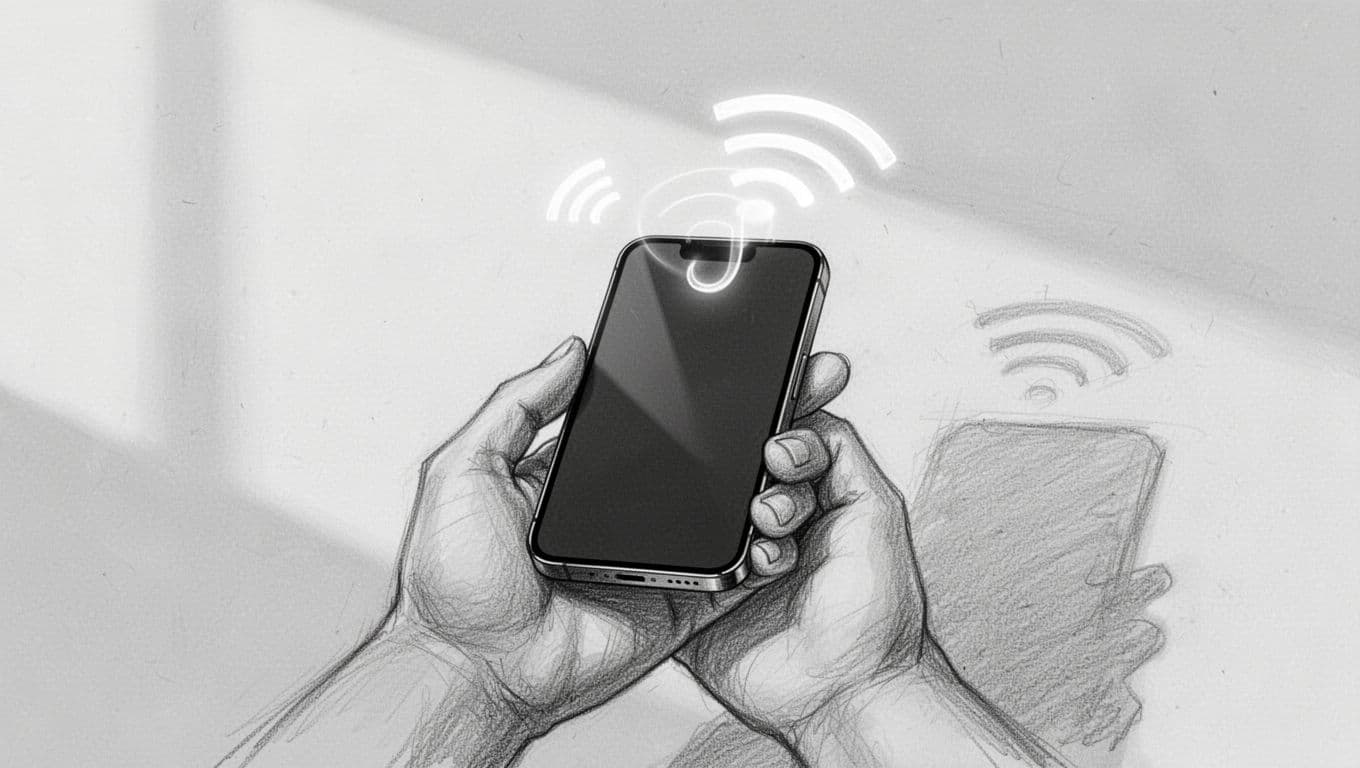
Think of it like having two invisible pipes feeding data into your phone at the same time. You don’t have to carry a paperclip to poke at a tiny hole or worry about a small piece of plastic falling into the dirt. Instead, you just toggle between your plans in the settings menu. This flexibility lets you shop for the best deals on data while keeping your main phone number active for security alerts and two-factor codes.
Faster Carrier Switching and Improved Software
The speed of the iPhone 18 is noticeable the moment you try to change your service. Apple has made activating eSIM on your iPhone feel almost like opening a website. Because the software is so snappy, you can purchase a plan, scan a code, and be online in seconds. It changes the whole vibe of international travel.
Imagine boarding a long flight and realized you forgot to get a local plan for your destination. You can buy a plan while sitting on the runway and have it ready to go. By the time the wheels touch the tarmac, your phone has already found the local towers. This near-instant connection means you aren’t wandering around a foreign airport looking for a Wi-Fi password. You can get your free esim now and see how smooth the process is before you even leave for your next big adventure.
Checking for Regional Differences
Even though the US has embraced the digital-only lifestyle, other parts of the world still cling to tradition. If you buy your iPhone 18 in places like mainland China, Hong Kong, or Macau, you might find a physical tray instead of a digital-only setup. These specific models often skip the internal digital chip entirely to fit two physical cards. It’s a bit of a hardware “anomaly” that catches some world travelers off guard.
If you are planning to buy your phone while on vacation, you should definitely check the model number in your settings first. For a helpful look at how these differences affect your setup, Apple’s guidance on international eSIM use provides a clear breakdown of which devices work where.
- US Models: These are usually digital-only and built for speed and security.
- China/HK Models: These often lack digital capabilities and rely on two physical slots.
- European Models: Many of these still offer a mix, giving you one physical tray and one digital slot.
Knowing which version you have is important because it dictates how you stay connected. If you have a Hong Kong model, you won’t be able to just download a plan from the web. You’ll still be hunting for those plastic chips at local shops. Always double-check your device’s origin to ensure you aren’t left without a signal when you need it most.
Why the iPhone 18 is the Best Partner for Your Next Camping Trip
If you are swapping city lights for a campfire, your phone is essential. Besides your boots, it is your most important tool. The iPhone 18 is no longer just a communication device. It is a survival kit that fits in your pocket. Apple has focused heavily on digital connectivity. Hikers and campers now get a device better suited for the elements. You do not want to fumble with tiny plastic cards. This is especially true when your hands are cold or the wind is howling.
Using an eSIM on your iPhone 18 means you can prep for your trip from the comfort of your couch. You can get your free esim now and have a secondary data plan ready to activate the moment you lose your home signal. This flexibility is a total lifesaver for those who love wandering deep into national parks where one carrier might have a “dead zone” while another is pumping out full bars.
Better Battery for Remote Geographic Adventures
When you are deep in the woods, your phone works overtime to keep you on the map. Searching for a signal is a brutal workout for your hardware because it cranks up the power to find a distant tower. The refined efficiency of the iPhone 18 ensures that your digital maps won’t give up on you when you are miles from the nearest trailhead.

Keeping your GPS active while navigating tricky terrain is a massive drain on older tech. However, the iPhone 18 manages these background tasks with much more intelligence. It balances your data needs without nuking your percentage, meaning you can actually rely on your phone for a multi-day trek. If you want to dive deeper into conservation, you should check out how eSIM impacts iPhone battery life to understand why the digital route is better for remote travel.
- Power Optimization: The internal modem is smarter than ever, reducing the “death spiral” drain when signal is low.
- GPS Reliability: You can keep your location services running longer, which is vital for safe navigation.
- Dual Plan Management: Keep a low-power “emergency” line on standby without needing extra hardware.
Rugged Design and Water Resistance
One of the biggest threats to a phone in the wild isn’t a bear; it’s a rainstorm or a dusty trail. By removing the physical SIM tray, Apple has effectively sealed off one of the most common entry points for water and grit. This creates a much more robust chassis that can handle the “oops” moments that happen when you are climbing over rocks or setting up a tent in the mud.
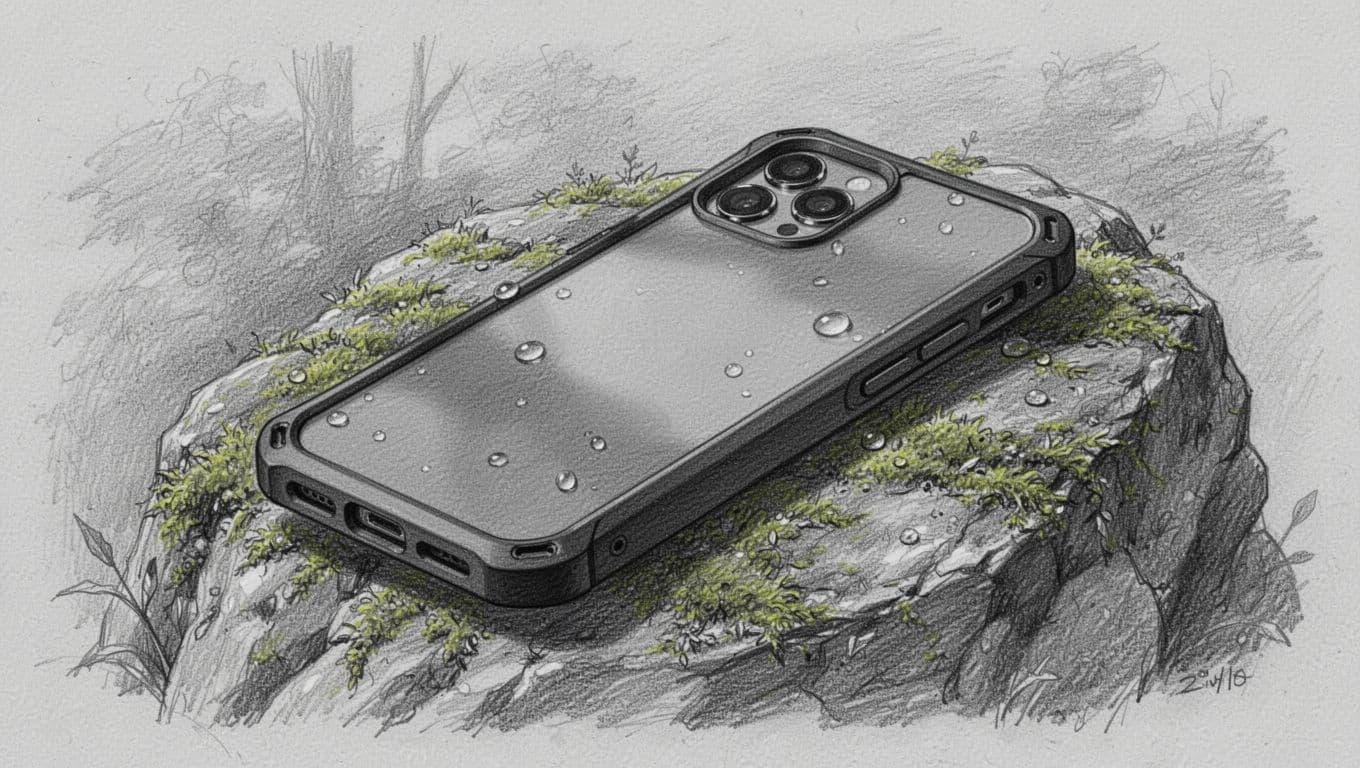
A physical tray relies on a tiny rubber gasket that can dry out or fail over time, especially if you are constantly popping it open. Removing this mechanical weak point means the iPhone 18 is better at improving waterproof design compared to models that still use plastic chips. You get more peace of mind when crossing a stream or getting caught in a sudden downpour.
Think of it like a submarine: the fewer hatches you have, the safer you stay. Total digital connectivity means your phone’s internal components stay dry and dust-free, even if you are trekking through a desert or a rainforest. This added durability is just one reason why skipping the physical card makes the iPhone 18 the ultimate outdoor companion.
How to Set Up Your eSIM on iPhone 18
Setting up your new tech shouldn’t feel like you are trying to solve a puzzle in the dark. The iPhone 18 is designed to get you connected while you are still unboxing the charger. Since there is no physical tray to poke at in the US models, the entire process happens through the glass screen. It is remarkably straightforward once you know where to tap.
Most carriers have made the transition to digital profiles as smooth as a fresh jar of peanut butter. You won’t need to visit a retail store or talk to a robot on a support line. Instead, you can manage your lines directly from the settings menu. If you want to jump ahead and grab a plan for your next journey, you can Get your free esim now and have it ready before you even power on your new device.
Pre-Setup and Using Wi-Fi
Before you start the digital handshake between your phone and the cell tower, you need a solid internet connection. Think of Wi-Fi as the bridge that carries your new cellular profile into your phone. If you are at home, make sure you aren’t in a dead zone near the microwave. If you are already traveling, try to handle your how to install eSIM on iPhone steps while you are still at the hotel or sitting in a reliable airport lounge.

Downloading your travel plans ahead of time is a smart move that saves you from a massive headache later. You don’t want to be standing on a street corner in a foreign city trying to find a signal just to activate your data.
To ensure a smooth setup, follow these simple preparation steps:
- Connect to a fast, stable Wi-Fi network to avoid download interruptions.
- Ensure your iPhone 18 has at least 50 percent battery or is plugged into power.
- Keep your carrier’s QR code or activation details handy if you aren’t using an automatic transfer.
- Update your software to the latest version of iOS to prevent any compatibility glitches.
Once your connection is solid, the rest is just following the prompts on your screen. The phone does the heavy lifting of communicating with your provider. Within a few moments, your signal bars should appear, and you will be ready to browse, text, and navigate without a single piece of plastic in sight.
Using the eSIM Quick Transfer Feature
If you are moving from an older device to the iPhone 18, Apple has a bit of digital sorcery called Quick Transfer. This feature allows you to beam your existing phone number and data plan through the air from one phone to the other. You don’t need to be a tech wizard or call your carrier to make it happen. You just place the two phones near each other and let them chat.
This method works by using Bluetooth and your iCloud identity to verify that you are the rightful owner of the line. It’s a huge relief for anyone who hates keeping track of tiny SIM cards that love to hide in the carpet. You can even transfer your eSIM to a new iPhone while you are sitting at your kitchen table. Learn more about how to set up and transfer your eSIM via the official Apple Support guide.
The steps are simple enough for anyone to follow:
- Bring your old iPhone close to your new iPhone 18.
- On the new device, go to Settings, then Cellular, and tap Add eSIM.
- Select the option to Transfer from Nearby iPhone.
- Follow the instructions on your old phone to authorize the move using your passcode or Face ID.
Wait for the “Activating” message to disappear, and your old phone will naturally lose its signal as the new one picks it up. It is a clean handoff that keeps your service active without any downtime. This feature is a lifesaver for busy travelers who need to upgrade their hardware without losing access to their primary phone number for even a minute.
Answers to Your Big iPhone 18 eSIM Questions
Transitioning to a new device always brings a flurry of questions, especially when the hardware changes how you connect to the world. The iPhone 18 is a marvel of engineering, but it is also a reminder that the days of tiny plastic chips are numbered. You might be wondering if your current setup will work or if you need to learn a whole new language of digital activation.
Managing your connectivity on this new hardware is actually quite intuitive once you get the hang of it. Apple designs these systems to be as invisible as possible so you can spend more time taking photos and less time calling customer service. Here is the lowdown on the most common curiosities regarding the iPhone 18 and its digital-first approach.
### Is the iPhone 18 eSIM-only in every country?
If you are buying your phone in the US, the answer is a firm yes. Apple moved away from physical trays years ago in the American market, and the iPhone 18 continues that streak. You won’t find a hole to poke with a paperclip on these models because the internal space is better used for battery life and camera tech.
However, the rest of the world is moving a bit slower, which is great news for international buyers who aren’t ready to let go. In many European and Asian markets, the device still ships with a hybrid setup. This gives you one physical tray and the ability to add digital lines as well. Some regions are even rumored to be fully removing the SIM slot soon, so the tray is definitely an endangered species.
- US, Japan, and Mexico: Most likely digital-only with no physical slot available.
- Mainland China and Hong Kong: Usually features two physical slots to meet local carrier demands.
- Europe and Canada: Often provides a “best of both worlds” approach with one physical slot and eSIM support.
Can I still use my old physical SIM card?
Whether you can keep your old plastic friend depends entirely on which model you buy and where you live. If you pick up a US model of the iPhone 18, that physical card is essentially a tiny piece of souvenir plastic. You can’t stick it into a phone that doesn’t have a hole for it, so you’ll need to convert that number into a digital profile.
The process of moving your number from plastic to digital is surprisingly painless. Most major carriers allow you to do this right inside the settings menu during the initial setup of your phone. If your carrier is a bit more old-school, you might need to scan a QR code they provide. It’s a one-time move that sets you up for a future where you never have to worry about losing a SIM card in the carpet again.
How many eSIM profiles can I store?
Think of your iPhone 18 as a digital wallet for cell plans; it can hold a surprisingly large collection. Most users can store eight or even more profiles at the same time. This is a dream come true for world travelers who have a “lucky” data plan for London, another for Tokyo, and a primary one for home.
Even though you can store a small library of plans, you can typically only use two of them at the exact same moment. This Dual SIM feature lets you have your main number active for calls while using a second line specifically for cheap travel data. It is a simple way to stay connected without those scary roaming charges hitting your bank account after a vacation. Managing these is easy, and you can get your free esim now to start building your collection before your next big trip.
Conclusion
The iPhone 18 is a massive win for anybody who treats a boarding pass like a grocery list. By leaning into everything digital, Apple has built a device that survives the rain, handles multiple international lines, and stays powered up longer during those remote treks. You get to skip the plastic clutter and the frantic search for a paperclip at the airport, which means more time for the actual journey.
Ditching the physical tray is a bold move toward a future where your phone is more durable and your connectivity is instant. Whether you are navigating a bustling city in Japan or setting up camp in a silent forest, this hardware is ready to keep you on the map. It’s the ultimate tool for a world where your phone doesn’t just store photos; it keeps you safely linked to everywhere you want to go.
If you are already counting down the days until your next trip, you can get your free esim now at GoHub to see the latest data plans. Staying connected should be as easy as taking a photo, so grab your plan today and start your next adventure with total confidence.
This post may contain affiliate links. If you make a purchase through these links, I may earn a small commission at no extra cost to you.